


Curtains are more than just decorative accents; they influence how a room feels, how much light it gets, and even how well you sleep. The right curtain fabric for room interiors can elevate your home's style, improve privacy, and help regulate temperature and lighting. But with so many options available, choosing the best fabric for curtains can feel overwhelming.
Whether you’re redecorating your living room, designing your bedroom, or freshening up your home office, it’s important to choose the right fabric to match your room’s function, aesthetic, and lighting needs. In this blog, we’ll walk you through how to choose the best curtain fabric for your room in your home — with expert tips and helpful examples.
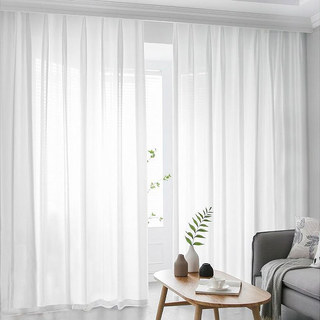
Why Choosing the Right Curtain Fabric Matters for Your Room?
Curtain fabric directly affects how much natural light you get, how private your room feels, and how comfortable the temperature stays throughout the day. The right material can also protect furniture from UV damage, reduce outside noise, and complete your interior design style. Discover the most popular customized blinds for homes and offices, perfectly suited for every space, style, and lighting need.
What Are the Different Types of Curtain Fabrics?
-
Natural fabrics: Cotton, linen, silk, and jute offer breathable comfort and a premium feel but can be more delicate and prone to fading or wrinkling.
-
Synthetic fabrics: Polyester and blends are durable, affordable, wrinkle-resistant, and easy to maintain, ideal for busy homes and rental spaces.
-
Functional fabrics: Blackout, thermal, and sheer materials focus on specific performance- light blocking, insulation, or soft light diffusion.
-
Premium/luxury fabrics: Velvet, silk, chenille create a rich, hotel-like look with excellent drape and depth, but may require professional care.
How to Choose the Right Curtain Fabric?
Choosing the right curtain fabric starts with understanding the room’s purpose, the amount of light you want, and the level of maintenance you can handle. You should also consider window direction, climate, interior style, and your budget before finalising the fabric. Explore premium Sabyasachi wallpapers for your home and unlock exclusive deals—click here to find the perfect design for your space.
Important factors when selecting curtain fabric:
1. Light and privacy needs
2. Room function and traffic
3. Climate and insulation
4. Window size and hardware
5. Style and decor
Popular Curtain Fabric Options
Some curtain fabrics are consistently popular because they balance aesthetics, performance, and price for most homes. Among the most used today are cotton, linen, polyester, velvet, silk, sheers, and blackout fabrics.
Popular choices and why they work:
| Fabric type | Pros | Cons |
|---|---|---|
| Cotton | Breathable, versatile, often affordable, easy to style | Can wrinkle, may fade in harsh sun, can mildew in damp spaces |
| Linen | Textured, premium look, great light diffusion, breathable | Creases easily, may require lining, often higher cost |
| Polyester | Durable, wrinkle-resistant, low-cost, easy care | Less breathable, may look less “natural” in some interiors |
| Velvet | Excellent light blocking, noise dampening, luxurious appearance | Heavy, may need strong hardware, often dry clean only |
| Silk | Elegant, formal, beautiful drape | Sensitive to sunlight, usually dry clean, higher price |
| Sheer | Lets in light, softens views, perfect for layering | Little privacy at night, minimal insulation |
Common Mistakes to Avoid
-
Ignoring room function: Using sheer curtains in bedrooms or nurseries when you need blackout can harm sleep and privacy.
-
Choosing fabric only for looks: Picking delicate silk in a sunny window or near moisture can lead to quick fading or damage.
-
Skipping lining: Not lining natural fabrics leaves them vulnerable to UV damage and reduces insulation and drape quality.
-
Wrong fabric weight for hardware: Heavy velvet on a weak curtain rod can cause sagging or damage over time.
-
Wrong length and fullness: Curtains that are too short or too narrow make windows look unfinished and cheap.
FAQs About Choosing the Right Curtain Fabric
Q1. What is the most durable fabric for curtains?
Polyester and polyester-blend curtain fabrics are among the most durable and low-maintenance options, making them ideal for high-traffic or rental homes.
Q2. Which is better: cotton or polyester for curtains?
Cotton offers a more natural look and breathability, while polyester is more durable, wrinkle-resistant, and easier to care for; many homeowners choose cotton-poly blends to get the benefits of both.
Q3. Are linen curtains worth the investment?
Linen curtains cost more than many other fabrics, but they deliver a premium, textured look and beautiful light diffusion that significantly upgrades the feel of a room.
Q4. What is the best curtain fabric for Indian climates or hot regions?
Breathable natural fabrics like cotton and linen, preferably with lining to manage sunlight, work well in hot climates by allowing airflow while controlling glare.
Q5. What fabric is best for blackout curtains?
Blackout functionality usually comes from special blackout fabric or a blackout lining, often combined with polyester, cotton, or linen on the front for style.
Conclusion
Choosing the right curtain fabric for a room in your home doesn’t have to be complicated — it just takes a little planning. Decide what the space will be used for, how much light it requires, the look you prefer, and who will look after it.
For living room curtain fabric, go for something light, stylish, and easy to maintain. In the bedroom, go for thicker materials that help insulate you from outside light and keep the room private. And no matter which room you’re designing, always choose the best fabric for curtains that matches your lifestyle and design vision.
The right fabric can change an ordinary room into one that feels more lovely, practical and like it belongs to you. Buy the best curtains in Delhi from Panipat Handloom Emporium.