

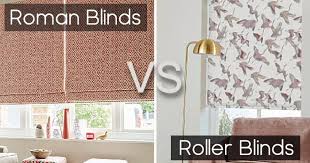
Roman Blinds vs Roller Blinds
Roman Blinds vs Roller Blinds: Complete Buying Guide 2026
Two of India's most popular window blind styles — Roman and Roller — often end up on the same shortlist when homeowners plan their interiors. They look different, work differently, and serve different rooms best. This guide walks you through every important difference so you can make a confident decision.
By the end of this guide you will know which blind suits your room type, your budget, your light preferences, and your lifestyle — with honest pricing for the Delhi and Gurugram market in 2026. Have a look at how to frame your windows beautifully with designer Curtain Borders.
1. What Are Roman Blinds?
Roman blinds are a classic, fabric-based window treatment that folds up in neat horizontal pleats when raised. Unlike a roller blind that rolls fabric onto a tube, a Roman blind uses a series of horizontal rods or dowels stitched into the back of the fabric at regular intervals. When you pull the lift cord, the fabric stacks in overlapping folds at the top of the window — creating a structured, layered look that is far more decorative than any other blind style.
Roman blinds have been a staple of interior design for centuries — originating in ancient Rome as fabric panels hung over windows to block dust and debris from unpaved roads. Today they are made from virtually any fabric: linen, silk, cotton, velvet, blackout polyester, and sheer organza. Elevate your space with timeless luxury—Sabyasachi wallpapers bring royal luxury to every wall.
Types of Roman Blinds
- Flat Roman Blinds: No folds when lowered — clean, contemporary look. Most popular in Indian minimalist interiors.
- Hobbled / Looped Roman Blinds: Fabric hangs in continuous loops even when fully lowered — adds visual texture and depth.
- Relaxed Roman Blinds: The bottom edge of the fabric curves gently downward, creating a soft, casual silhouette.
- Motorised Roman Blinds: Chain-free operation via remote or smartphone. Available at The Panipat Handloom in both standard and blackout fabrics.
2. What Are Roller Blinds?
Roller blinds consist of a single piece of fabric that rolls up onto a cylindrical tube mounted at the top of the window frame. They are the most widely installed blind type across Indian homes and offices due to their simplicity, durability, and wide fabric availability.
When fully raised, a quality roller blind with a cassette housing becomes almost invisible — making them ideal for rooms with tight ceiling space or a desire for maximum natural light when open. When lowered, the flat fabric panel provides clean, uniform light control. Enjoy year-round greenery with zero watering or mowing—discover the smart choice with an artificial grass mat.
Types of Roller Blind Fabrics
- Blackout: 99–100% light block. Essential for bedrooms, media rooms, and night-shift workers.
- Dimout: 70–90% light reduction. Creates a soft ambient mood without full darkness — popular in living rooms.
- Solar / Sunscreen: Open-weave fabric that filters glare and UV while maintaining an outside view. Available in 1%, 3%, and 5% openness factors.
- Printed: Custom digital prints — geometric, floral, abstract — widely used in children's rooms and commercial spaces.
3. Roman Blinds vs Roller Blinds — Complete Comparison
|
Factor |
Roman Blinds |
Roller Blinds |
Winner |
|---|---|---|---|
|
Style / Aesthetics |
Elegant, traditional, layered folds |
Clean, minimal, modern |
Roman (for classic look) |
|
Light Control |
Good — depends on chosen fabric |
Excellent — wide fabric range |
Roller |
|
Blackout Option |
Yes — blackout lining available |
Yes — blackout fabric standard |
Equal |
|
Starting Price Delhi |
Rs. 120–200 per sq.ft |
Rs. 55–90 per sq.ft |
Roller |
|
Mechanism |
Lift cord — horizontal fabric folds |
Spring or chain — rolls onto tube |
Roller (simpler) |
|
Motorisation |
Available — Motorised Roman |
Available — wide range |
Equal |
|
Cleaning |
Fabric must be dry-cleaned |
Wipe with damp cloth |
Roller |
|
Durability |
5–8 years (cord and fabric wear) |
7–10 years (simpler mechanism) |
Roller |
|
Child Safety |
Cord risk — use motorised version |
Cord risk — use cassette/motorised |
Equal (motorised both) |
|
Width Range |
Suited to narrower windows (<200 cm) |
Up to 300–350 cm seamless |
Roller |
|
Best Room |
Living room, bedroom, study |
All rooms, especially office, kitchen |
Depends on Room |
|
Customisation |
High — any fabric, lining, trim |
High — 200+ fabrics, custom prints |
Equal |
Note: Prices reflect Delhi/NCR market rates as of 2026. Contact The Panipat Handloom on +91-9899073000 for a free home measurement and quote.
4. Style, Aesthetics & Room Fit
Roman Blinds — Where They Shine
Roman blinds are the superior decorative choice. When lowered, the neatly stacked horizontal folds create a visual weight and texture that a flat roller blind simply cannot match. This makes them ideal for rooms where the window treatment itself is meant to be a design feature — a drawing room with linen Roman blinds, a study lined with velvet, or a formal dining room with printed cotton.
They work best on windows that are proportionate in size — too wide (above 200 cm) and the fabric starts to look heavy and becomes difficult to operate smoothly. The ideal Roman blind window width is between 60 cm and 180 cm, which covers the majority of bedroom and living room windows in Indian 2-BHK and 3-BHK apartments. Turn plain walls into powerful design features with sleek charcoal wall louvers.
Roller Blinds — Where They Shine
Roller blinds are the practical, all-purpose solution. Their flat, uniform surface creates a clean backdrop that complements any interior style — from industrial lofts to Scandinavian-minimalist apartments to modern Indian flats. They are the preferred choice for offices, kitchens, and bathrooms where hygiene and ease of maintenance matter more than decorative appeal.
For very wide windows and panoramic glass facades — increasingly common in Delhi high-rises and Gurugram villas — roller blinds are the only viable blind solution that can cover the full width without seams or complex rigging.
5. Cost Comparison — Delhi / NCR 2026
Roman blinds are consistently more expensive than roller blinds due to the greater fabric consumption (folds require extra material), the more labour-intensive sewing and rod insertion process, and the need for a professional finish that handles the fold correctly at every width.
|
Category |
Roman Blinds |
Roller Blinds |
Notes |
|---|---|---|---|
|
Economy |
Rs. 120–160 per sq.ft |
Rs. 55–75 per sq.ft |
Standard fabrics, no lining |
|
Mid-Range |
Rs. 165–220 per sq.ft |
Rs. 80–120 per sq.ft |
Quality fabric, blackout lining or dimout |
|
Premium |
Rs. 230–350 per sq.ft |
Rs. 130–200 per sq.ft |
D'Decor / Vaya fabrics, motorised option |
|
Motorised |
Rs. 4,000–8,000 per blind |
Rs. 2,500–5,000 per blind |
Motor + remote; Wi-Fi motors cost more |
|
3-BHK Total |
Rs. 35,000–70,000 |
Rs. 18,000–35,000 |
~8–12 windows, mid-range fabric, installation |
Cost-Saving Tip: Use Roman blinds as a feature in one or two key rooms (living room, master bedroom) and roller blinds everywhere else. This approach lets you enjoy the premium aesthetic of Roman blinds where guests will notice them, while keeping the overall project budget under control.
6. Light Control & Privacy Performance
Roman Blinds and Light
The light control performance of a Roman blind depends entirely on the fabric chosen and whether a lining is added. A Roman blind made from sheer linen without lining will allow soft, diffused light through even when fully lowered. Add an interlined blackout lining, and the same Roman blind becomes a near-complete light blocker.
The critical limitation of Roman blinds is at the folds — when the fabric is in its raised, folded position, the overlapping layers at the top can create light gaps at the sides. In bedrooms where total darkness is required, this can be addressed with a blackout lining and side channels.
Roller Blinds and Light
Roller blinds offer more predictable and consistent light control across their full surface. A blackout roller blind blocks 99–100% of light when fully lowered and fitted with side channels. A solar roller blind in a 1% openness factor maintains an outside view while cutting glare by approximately 85%.
For rooms in east-facing and west-facing positions in Delhi — which receive direct harsh morning or afternoon sun — solar roller blinds are the most effective first line of defence, reducing UV exposure and glare without making the room feel dark or closed in.
7. Durability & Maintenance
Roman Blind Care
- Fabric: Most Roman blind fabrics require professional dry cleaning every 12–18 months. Spot cleaning with a mild detergent is acceptable for small marks.
- Mechanism: The lift cord and ring system can develop wear points after 5–7 years. Cord replacement is inexpensive and straightforward.
- Rods: The horizontal rods stitched into the back can sometimes warp in high humidity — particularly in Mumbai-style monsoon environments. Delhi's drier climate is less problematic.
- Lifespan: 5–8 years for the mechanism; the fabric may last longer if maintained properly.
Roller Blind Care
- Fabric: Wipe down with a damp microfibre cloth. Most roller blind fabrics are soil-resistant and do not require dry cleaning.
- Mechanism: The spring or chain mechanism is highly durable. Quality mechanisms carry a 3–5 year warranty from reputable suppliers.
- Lifespan: 7–10 years with quality fabric and mechanism. The tube and brackets can last even longer if undamaged.
8. Motorisation Options
Both Roman blinds and roller blinds are available in motorised versions from The Panipat Handloom. Motorised versions eliminate the cord safety concern for homes with young children, and allow integration with Amazon Alexa, Google Home, and Apple HomeKit.
Motorised Roman Blinds: The motor replaces the lift cord system and sits inside the head rail at the top. The operation is quieter than expected, and the folding action remains identical to a manual Roman blind. Available in both standard and blackout-lined versions.
Motorised Roller Blinds: The motor replaces the tube end or sits inside the tube. Single-direction operation (up/down). The most affordable smart blind option available in the Indian market.
9. Room-by-Room Recommendations
|
Room |
Roman Blind |
Roller Blind |
Recommended Choice |
|---|---|---|---|
|
Living Room |
Excellent — premium look, feature wall |
Good — clean backdrop |
Roman (if budget allows) |
|
Master Bedroom |
Good with blackout lining |
Excellent — blackout, easy to clean |
Roller (for practicality) |
|
Kitchen |
Not ideal — fabric absorbs cooking fumes |
Excellent — PVC fabric, wipe clean |
Roller |
|
Study / Home Office |
Excellent — warm, focused ambience |
Good — solar fabric cuts screen glare |
Roman or Roller (both work) |
|
Children's Room |
Use motorised — no cord risk |
Use motorised — no cord risk |
Roller (more affordable) |
|
Bathroom |
Not recommended — moisture damage |
Good — moisture-resistant fabric |
Roller |
|
Dining Room |
Excellent — elegant with matching fabric |
Good — minimal and clean |
Roman (for formal look) |
10. Final Verdict
Roman blinds and roller blinds are not competing products — they serve different purposes and different rooms. The question is not which one is better overall, but which one is right for the specific room and intention you have in mind.
Choose Roman Blinds If…
- You want the window treatment to be a design statement, not just a functional cover
- The room is a living room, dining room, or study where aesthetics matter most
- You are working with a premium fabric like linen, velvet, or D'Decor
- The window width is under 200 cm
- Budget allows a higher per-sq.ft investment for a distinctive look
Choose Roller Blinds If…
- Practicality and ease of maintenance are the priority
- The room is a bedroom requiring complete blackout
- You need to cover wide windows or a full glass facade
- The room is a kitchen, bathroom, or office
- Budget is a key consideration and coverage across multiple rooms is needed
Expert Recommendation: For a typical Delhi or Gurugram apartment, consider Roman blinds in the living and dining areas where you entertain guests, and roller blinds in all bedrooms, kitchens, and bathrooms. This hybrid approach gives you a premium look where it matters most while keeping the overall cost manageable.
Frequently Asked Questions
Q1. Which blind is more expensive — Roman or Roller?
Roman blinds are consistently more expensive. Budget Roman blinds start at around Rs. 120 per sq.ft in Delhi/NCR, compared to Rs. 55 per sq.ft for budget roller blinds. The price gap is due to higher fabric consumption (folds require extra material), more labour-intensive manufacturing, and the need for a professional finish. For a 3-BHK apartment, Roman blinds throughout can cost 2–3 times more than roller blinds for the same windows.
Q2. Can Roman blinds provide complete blackout?
Yes, Roman blinds can provide near-complete blackout when fitted with a blackout interlining. However, they are slightly less effective than blackout roller blinds because the horizontal folds at the top when raised, and the side gaps when lowered, can allow some light penetration. For absolute blackout (home theatre, baby nursery), a blackout roller blind with side channels remains the gold standard.
Q3. Are Roman blinds suitable for Indian humidity and climate?
Roman blinds made from natural fabrics such as linen and cotton can absorb moisture in humid conditions, which may cause the fabric to stretch slightly. For rooms in coastal cities or particularly humid environments, synthetic fabric Roman blinds (polyester-based) are a better choice. In Delhi's relatively dry climate, fabric choice is less critical, though avoiding kitchen and bathroom installations is always advisable.
Q4. How long do Roman blinds last in India?
A quality Roman blind with proper care typically lasts 5–8 years. The fabric itself may last longer, but the lift cord and ring mechanism tend to show wear after 5–7 years of daily use. Mechanism replacement is inexpensive and straightforward. Roller blinds generally outlast Roman blinds in mechanism durability, lasting 7–10 years under the same conditions.
Q5. Where can I get Roman blinds custom-made in Delhi?
The Panipat Handloom Emporium at South Extension Part 1, New Delhi offers a complete custom Roman blind service — including a free home measurement, fabric sample selection at your home, and professional installation. Call +91-9899073000 to book a free home visit. They stock Roman blind fabrics from D'Decor, Vaya Luxury, and their own Panipat Textile range.