

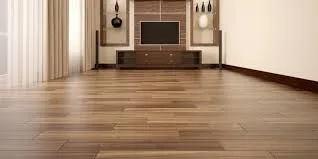
What Is Hardwood Flooring and How Is It Different?
The flooring made out of hardwood tells us about the surface created from solid wood or from the real wood veneer lying over a multi-layered wood core. On the contrary, hardwood flooring is not man-made; however, similar to laminate flooring, which is a man-made product to resemble real hardwood floors. Hardwood has real species like oak, maple, walnut, or cherry, and hence, the floors having these make them not only feel, look, and smell, but they can also be refinished.
Solid hardwood and engineered hardwood are the two primary wood classifications in residential use. Contrast‑wise, laminate and vinyl have printed images and synthetic wear layers, while wood is genuine and actually assembled. Likewise, tiles and stone are mineral-based and much cooler compared to hardwood.
Main Benefits of Hardwood Flooring for Homes
1. Timeless aesthetics and curb appeal
2. Increased property value
3. Long‑term durability and longevity
4. Easy to clean and maintain
5. Better indoor air quality
Durability of Hardwood vs Other Materials
| Flooring Type | Typical Lifespan (Years) | Water Resistance | Notable Strengths |
|---|---|---|---|
| Solid Hardwood | 30–100+ | Low to Moderate | Very long lifespan, increases property value |
| Engineered Hardwood | 20–40 (varies by top layer) | Better than solid, but not completely waterproof | More stable, suitable for installation over concrete or basements |
| Laminate | 10–30 | Moderate, some water-resistant versions available | High scratch resistance and budget-friendly |
| Vinyl (LVP/LVT) | 15–30 | High, often waterproof | Excellent resistance to water and scratches |
| Ceramic/Porcelain Tile | 30–50+ | Very High | Extremely water-resistant and highly durable surface |
| Carpet | 5–15 | Low | Soft, comfortable, and reduces noise but wears faster |
Types of Hardwood Flooring Available
| Type | Description | Best for | Key advantages |
|---|---|---|---|
| Solid hardwood | Single piece of natural wood plank | Above-grade rooms with wood subfloors | Longest lifespan, many refinishes |
| Engineered hardwood | Hardwood veneer layered over plywood core | Basements, over concrete, radiant heat | More stable, flexible installation |
| Prefinished hardwood | Factory-finished wooden boards | Faster remodels, cleaner installation | Shorter install time, durable finishes |
| Site-finished hardwood | Hardwood finished after installation on site | Custom colors and seamless look | More color control, smoother surface |
Pros and Cons of Hardwood Flooring
Advantages of hardwood floors
-
Long‑term value: Although the upfront price is higher, hardwood’s long lifespan and refinishing ability make its 30‑year cost very competitive.
-
Timeless look: Hardwood rarely goes out of style and works with almost any décor, reducing the need for frequent replacement
Disadvantages of hardwood floors
-
Higher upfront cost: Professional installation, including materials and labor, typically ranges from about $6–$25 per square foot, depending on species, pattern, and region.
-
Sensitive to moisture: Spills, pet accidents, and humidity swings can damage wood if not managed properly.
Buy the best hardwood flooring at the Panipat Handloom Emporium in Delhi.
Call us on +91-9899073000, +91-9999999009.
FAQs About Hardwood Flooring
Q1. Is hardwood flooring suitable for bathrooms?
Solid hardwood is generally not recommended for full bathrooms with showers or tubs.
Q2. Do hardwood floors fade in sunlight?
Yes, some species and stains can lighten or darken with UV exposure.
Q3. Are hardwood floors noisy?
Hardwood floors can transmit more footfall noise than carpet, but using area rugs, underlayment, and proper installation techniques can reduce sound significantly.
Q4. Which hardwood color is best for modern homes?
Light neutrals, blondes, and natural oak tones are popular in modern and minimalist homes because they make spaces feel larger, brighter, and more open.