

Filters
Categories
- Charcoal Wall Louver
- PVC Panel
- Interior Thermory Pine Flooring
- Wall-Panelling
- WPC Pannels
- Charcoal Mouldings
- Rattan cane
- Curvature Wall Panelling
- Tuscany Wall Panelling
- Archi louvers Wall Panelling
- Ceiling Panel
- Designer wall panelling
- Vox Ceiling Wall Panels
- Pare Ceiling and Wall Panels
- Wall Mirrors
- Wall Art
- Wall Paintings
Colors
Brands
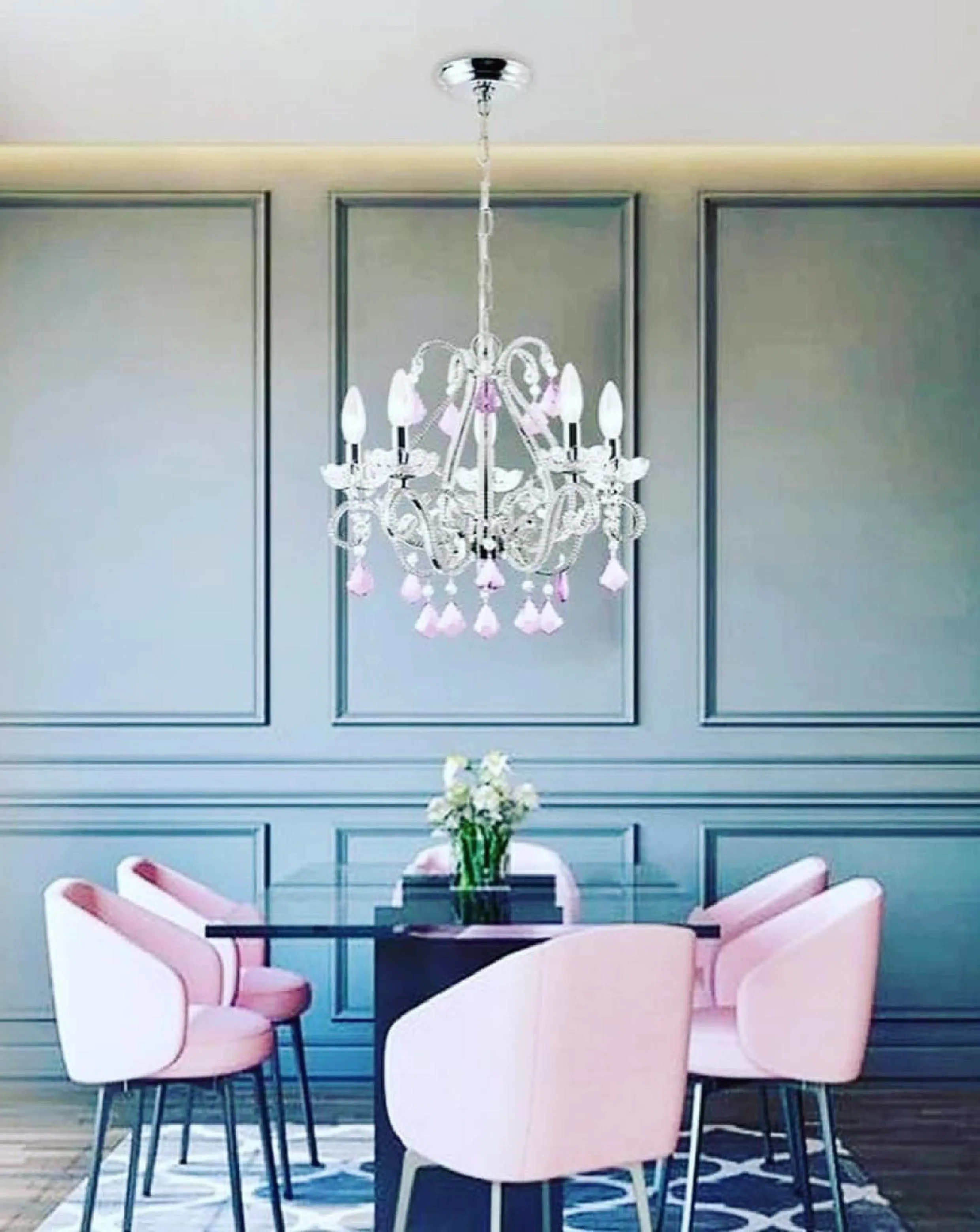
Introduction to Charcoal Moulding
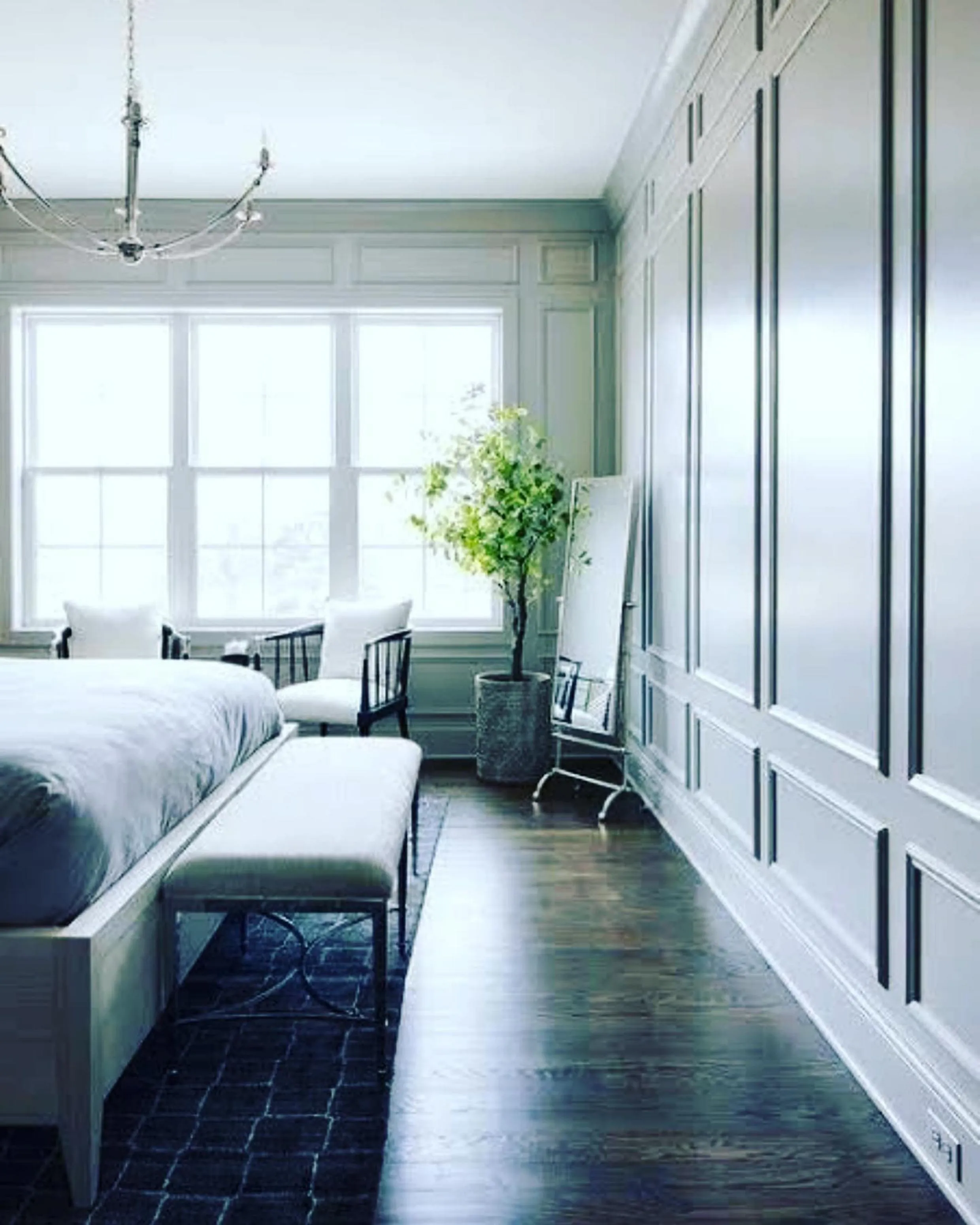
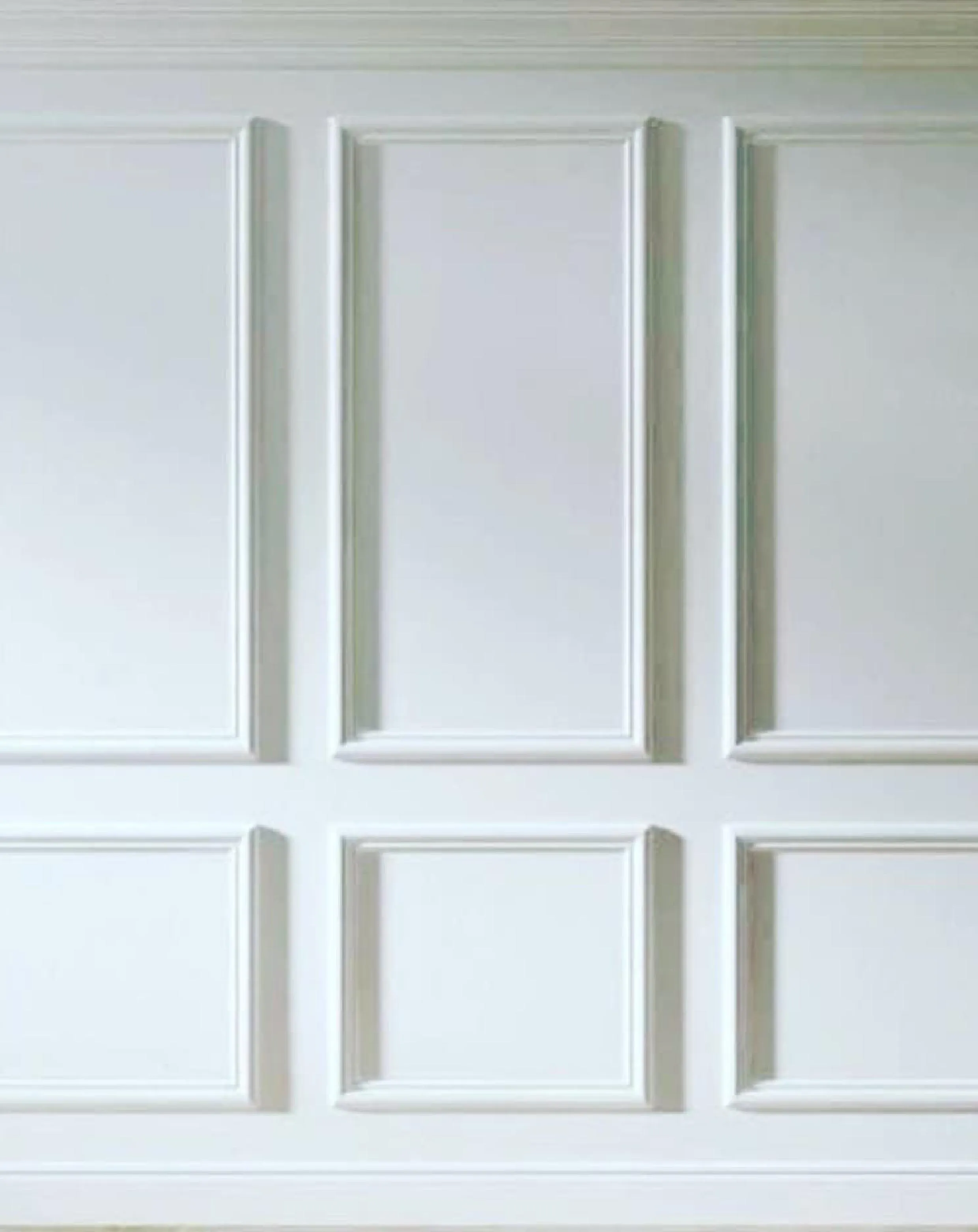
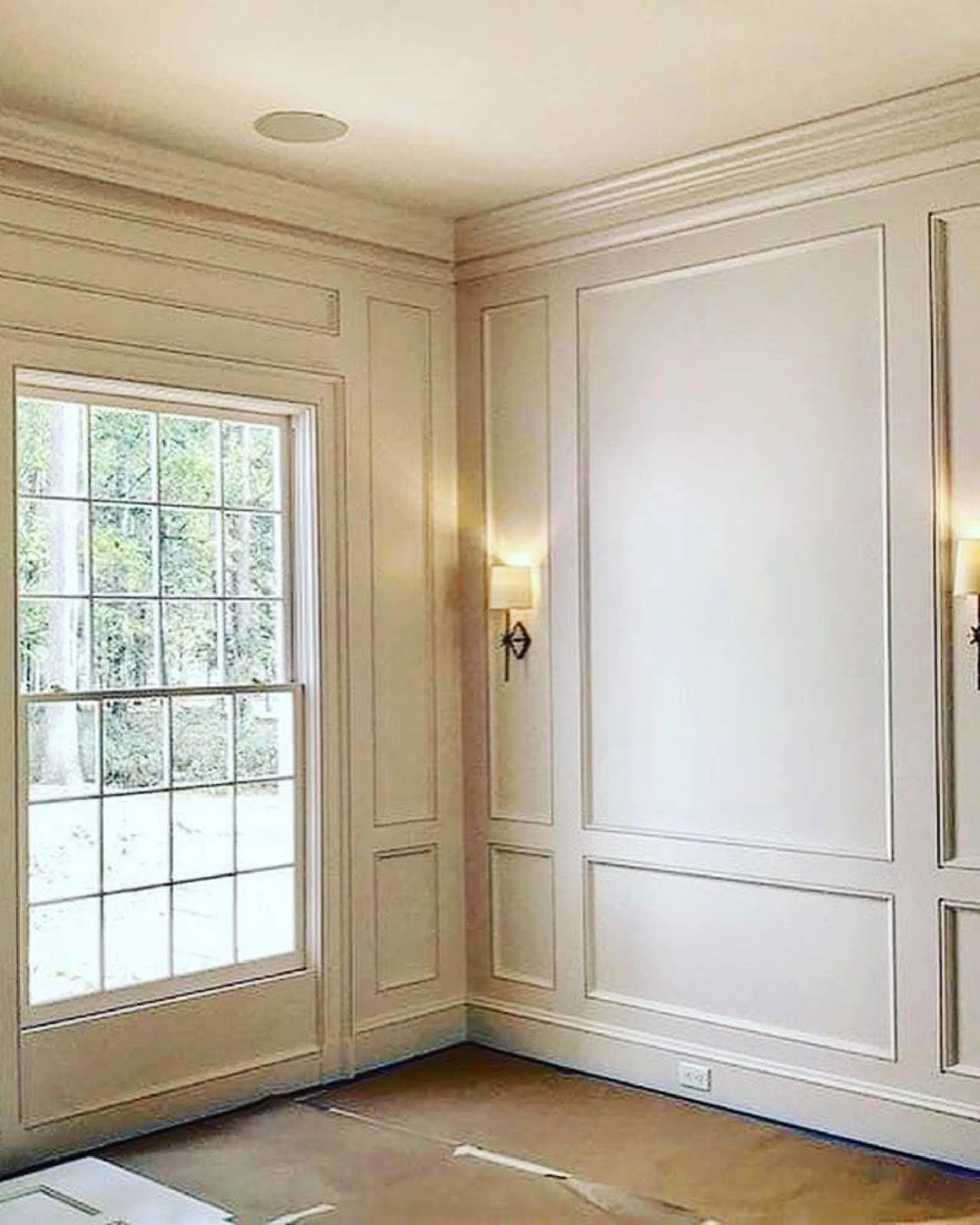
Charcoal moulding, which people call charcoal/PVC wall mouldings or charcoal interior mouldings, serves as decorative strips that modern interior designers use to create three-dimensional wall and ceiling and door and furniture design elements. The mouldings manufacturing process uses materials that contain compressed charcoal or PVC-charcoal composite materials.
The product finds common application in residential spaces such as living rooms and bedrooms, and kitchens, and in commercial areas where it serves multiple functions, including accent wall creation, ceiling border installation, and door and window frame construction and wainscoting application. The surface of the material can be painted, which enables homeowners and designers to create color schemes for their spaces, making the product suitable for use in both traditional and modern interior design. The size of 22mm Charcoal Moulding Wall Decor Panel is crafted for style and durability in any space.
Advantages of Charcoal Mouldings Designs
- Durability & Strength: Owing to their lightweight construction, charcoal polystyrene moldings offer high strength at considerably lesser risk of cracking, warping, or suffering impact damage when compared to alternatives such as plain plaster or medium-density fiberboard (MDF) moldings.
- Moisture Resistance: Charcoal mouldings design for kitchen and bathroom exhibit superior performance in humid environments when they are combined with PVC and PU, because standard wood mouldings deteriorate in those conditions.
- Paintable & Customizable: Most charcoal moulding patti are paintable, which enables designers to apply different colors without needing to replace the strip,s which proves beneficial for rebranding purposes and theme-based interior design.
- Cost‑Effective Over Wood: When compared with hardwood or HDHMR mouldings, charcoal/PVC alternatives appear to be more cost-effective and still provide a high-end finish.
Every home is ready for wall panelling, making your home bright and special today. Visit our store now.
Factors to Consider Before Buying Charcoal Mouldings
1. Material Type (Charcoal vs PVC vs Composite)
- The moisture resistance, bending strength, and weight of the moulding must be tested to determine whether it contains pure charcoal, PVC-charcoal, or PU composite materials.
- The preferred material for wet areas is PVC-integrated Nilkamal Pillow design.
- Finish & Paintability
- There can be full color customization if unpainted options allow color customization.
- Price per Piece & per Square Foot
- The comparison should be made between per-item costs and per-square-foot expenses for panels from various vendors, while charcoal moldings receive distribution through single pieces and boxed products.
Explore the most used customized blinds for your homes and offices in every condition.
Comparison between Charcoal Mouldings and Other Products
|
Feature |
Charcoal Mouldings |
Wood Mouldings |
MDF / HDHMR Mouldings |
PVC-Only Mouldings |
|
Material |
Charcoal-based or PVC-charcoal composite material |
Solid wood (teak, oak, etc.) mouldings |
Engineered wood (MDF/HDHMR) |
Pure PVC plastic |
|
Moisture Resistance |
Good (especially PVC-blended) |
Poor; needs sealing and climate control |
Moderate; can swell in high humidity |
Excellent; ideal for wet areas |
|
Weight |
Light to medium |
Heavier than charcoal/PVC mouldings |
Medium; can sag on long spans |
Lightest option |
|
Durability |
High; resists cracking and wear |
High; long-lasting if maintained |
Moderate; prone to chipping |
Good, flexible, but may discolor |
|
Paintability |
Highly paintable; matte finish available |
Excellent; classic wood-paint finish |
Excellent; designed for painting |
Possible, but may crack if over-painted |
Tips for Choosing the Right Charcoal Moulding Design
- Match with Interior Style: For minimal, modern interiors, choose thin, straight profiles
- Measure Wall Length Accurately: Calculate total linear meters required for accent lines and bordering, then add 10–15% extra for cutting and wastage.
- Check Compatibility with Paint: Use a primer suitable for PVC‑based surfaces before painting to avoid peeling.
- Consider Long‑Term Maintenance: Charcoal‑PVC mouldings need only occasional wiping; avoid abrasive cleaners.
Discover the best Sabyasachi Wallpapers for your home with extreme offers.
Charcoal Moulding Price
Visit our official website, The Panipat Handloom, or visit our showroom at N-14, South Extension Part 1, New Delhi-110049, and 9 shop No 3, Plot No 1014, First | Floor, Left Side, Dharam Plaza, Brahma City, Sector-62, Gurugram, | Haryana-122101. Our team will help you with all the details.
Where to Buy Charcoal Mouldings in Delhi
Discover the ultimate destination to buy premium Charcoal Mouldings in Delhi at Panipat Handloom Emporium. Known for delivering superior quality and contemporary design solutions, we offer a carefully curated range of charcoal moulding for walls that enhance both residential and commercial interiors.
Whether you’re upgrading accent walls, ceilings, or modern interior spaces, our charcoal moulding for wall combine durability, moisture resistance, and elegant finishes. With the flexibility of online browsing and the confidence of an in-store consultation, Panipat Handloom Emporium ensures a seamless buying experience tailored to your needs.
FAQs About Charcoal Mouldings
- What are charcoal moulding designs made of?
Charcoal mouldings are typically made from compressed charcoal particles combined with PVC or PU, giving a lightweight, durable strip suitable for interior trims. - Are charcoal mouldings suitable for bathrooms and kitchens?
Yes, especially PVC‑charcoal or composite mouldings, which have good moisture resistance and are ideal for kitchens and bathrooms.
- Can charcoal mouldings be painted?
Yes, most charcoal/PVC mouldings are paintable, allowing you to match any wall or furniture color scheme.
- What is the standard size of charcoal moulding for wall?
Common sizes are 8 ft (2.4 m) length with 22–38 mm width and 11–65 mm thickness, depending on profile and manufacturer.
- Can charcoal moulding patti replace wood trims?
Yes, in many modern interiors, charcoal/PVC mouldings are preferred as wood‑like but lower‑cost and moisture‑resistant alternatives.
- Are charcoal mouldings eco‑friendly?
Many charcoal‑based mouldings use compressed charcoal waste or sustainable blends, but exact eco‑friendliness depends on the manufacturer.
Conclusion
Charcoal mouldings design for living room serve as an economical yet fashionable solution for contemporary interior design because they combine traditional moulding depth with the practical advantages of PVC and charcoal composite materials. The product functions effectively for accent walls and ceiling borders, door/window frames, and furniture trims while maintaining performance in both dry conditions and areas with minimal humidity.