Contact Form
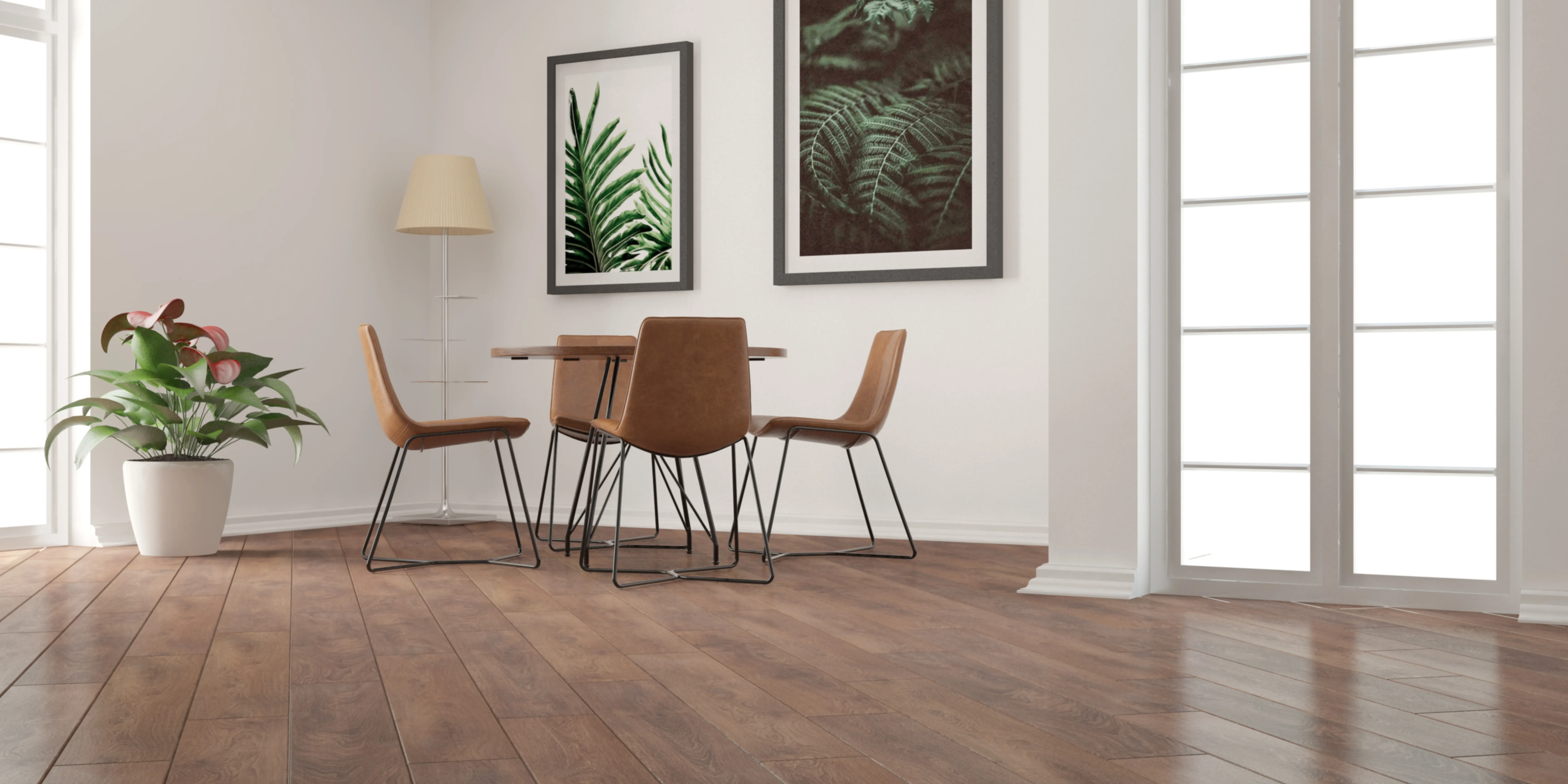
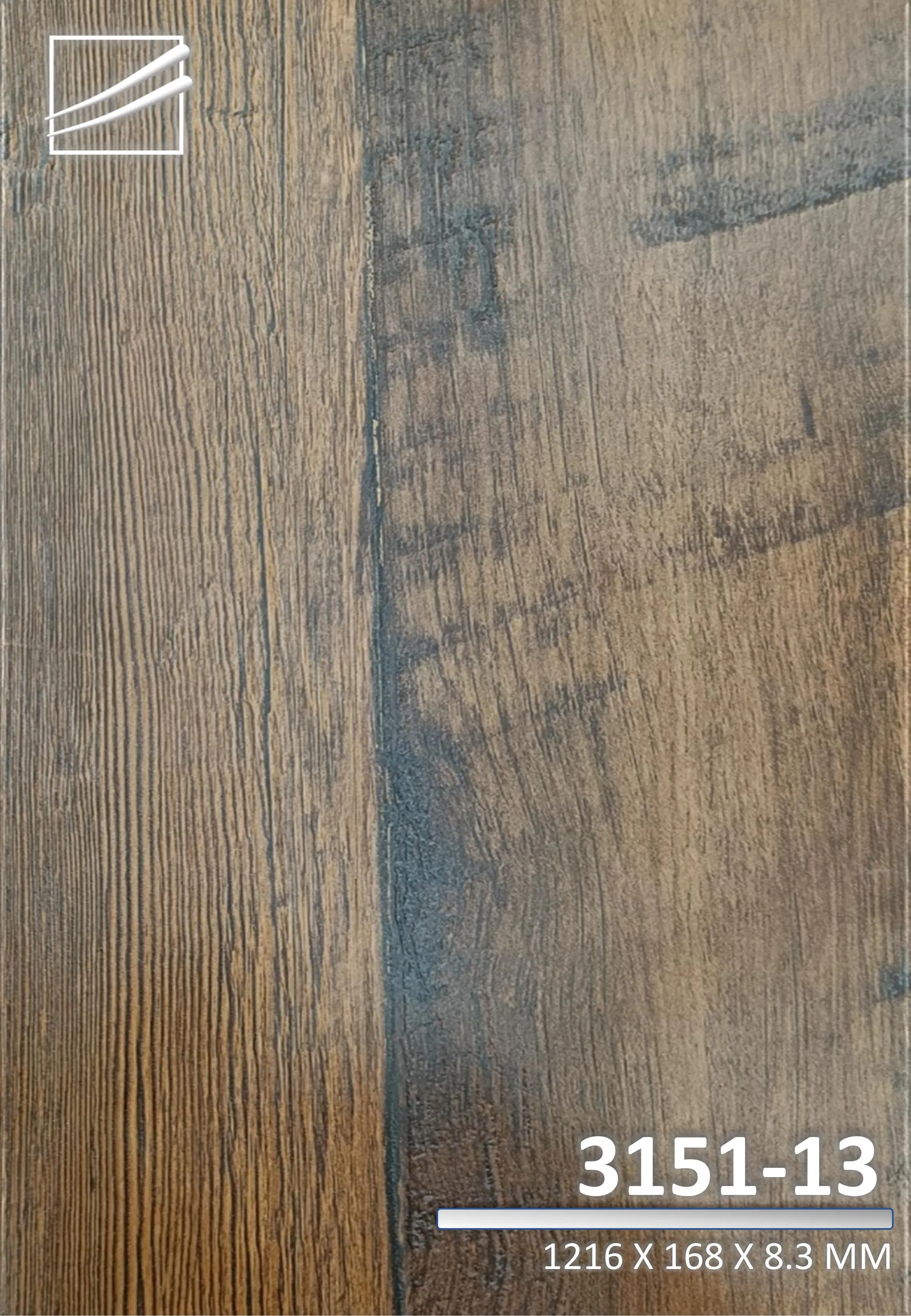
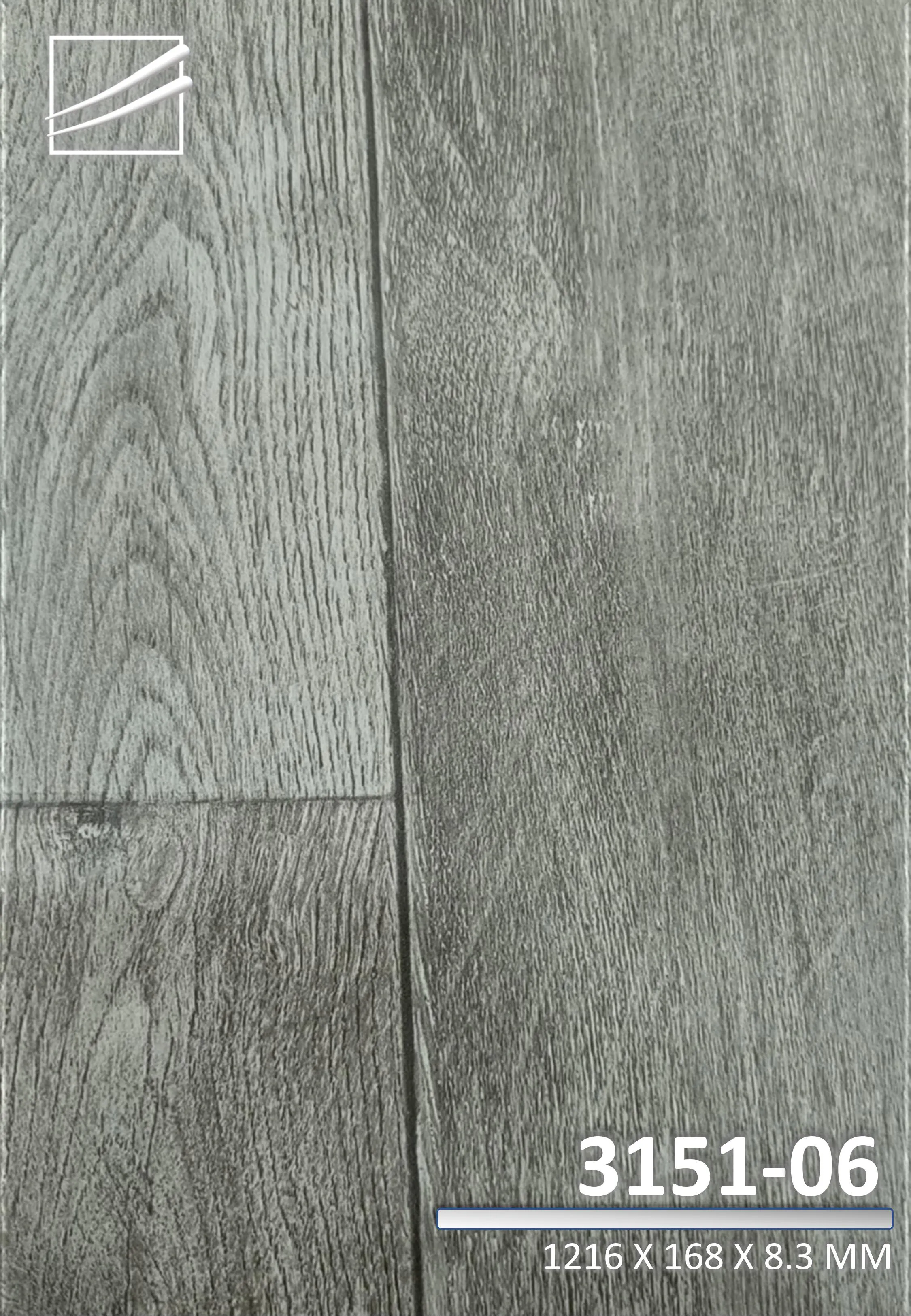
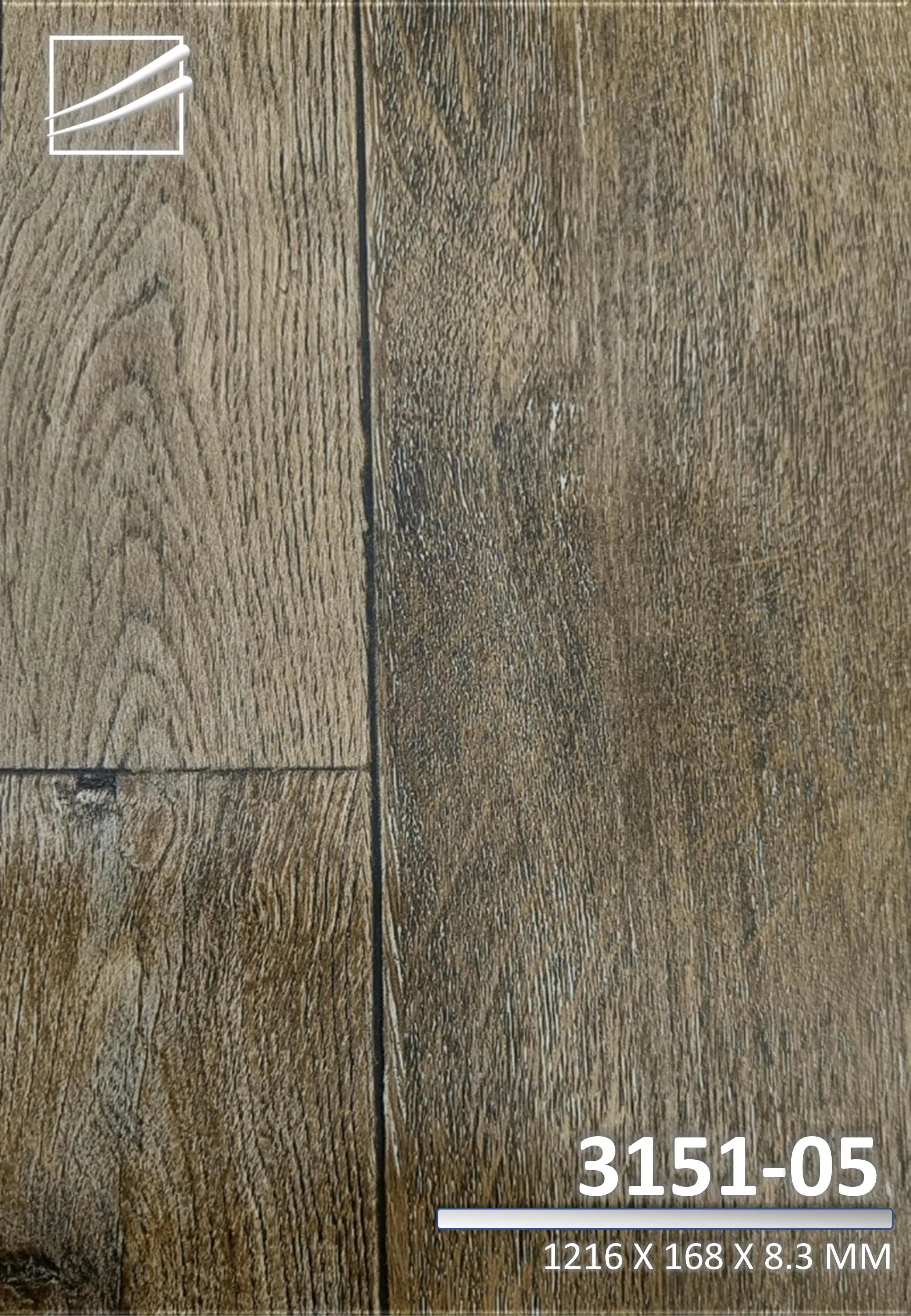
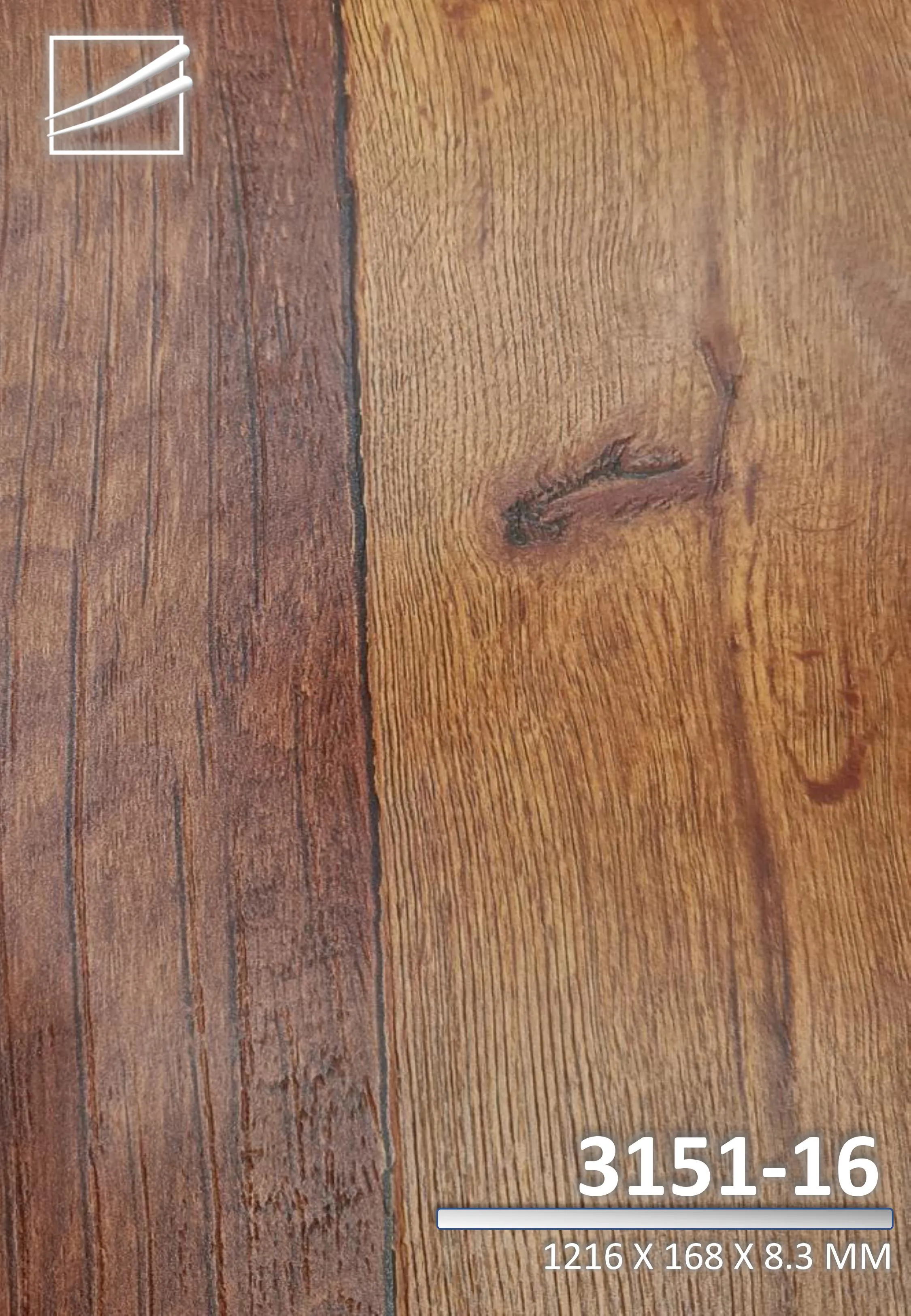
The Panipat Handloom offers PVC planks, or Polyvinyl Chloride planks, which are engineered flooring materials composed of multiple layers that work together to create a waterproof, durable surface. The term "PVC flooring" is often used interchangeably with vinyl flooring, luxury vinyl planks (LVP), and luxury vinyl tiles (LVT).
PVC planks have revolutionized the flooring industry, offering homeowners and businesses a practical, durable, and aesthetically pleasing alternative to traditional hardwood and natural stone. Every home is ready for wall panelling, making your home bright and special today. Visit our store now.
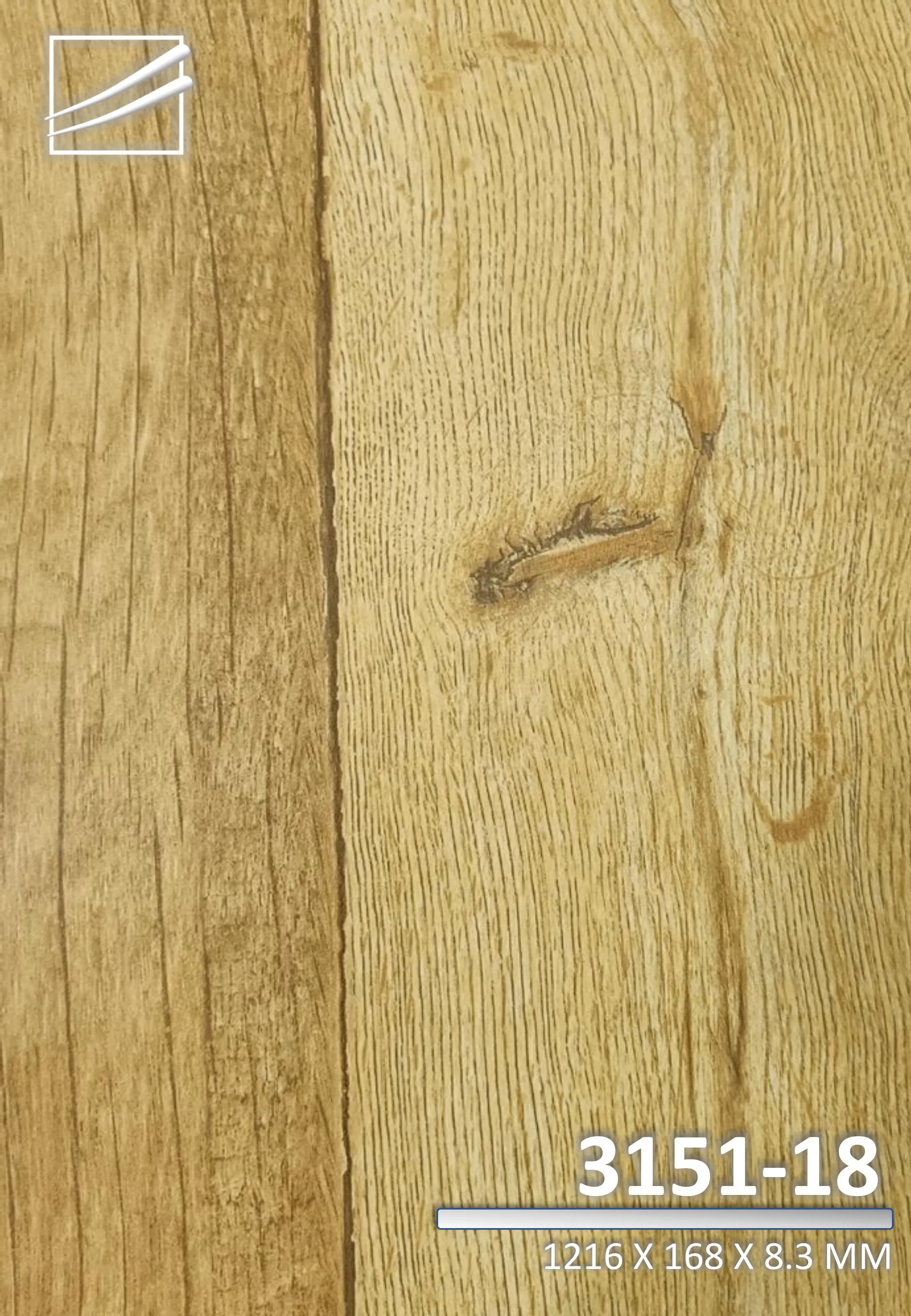
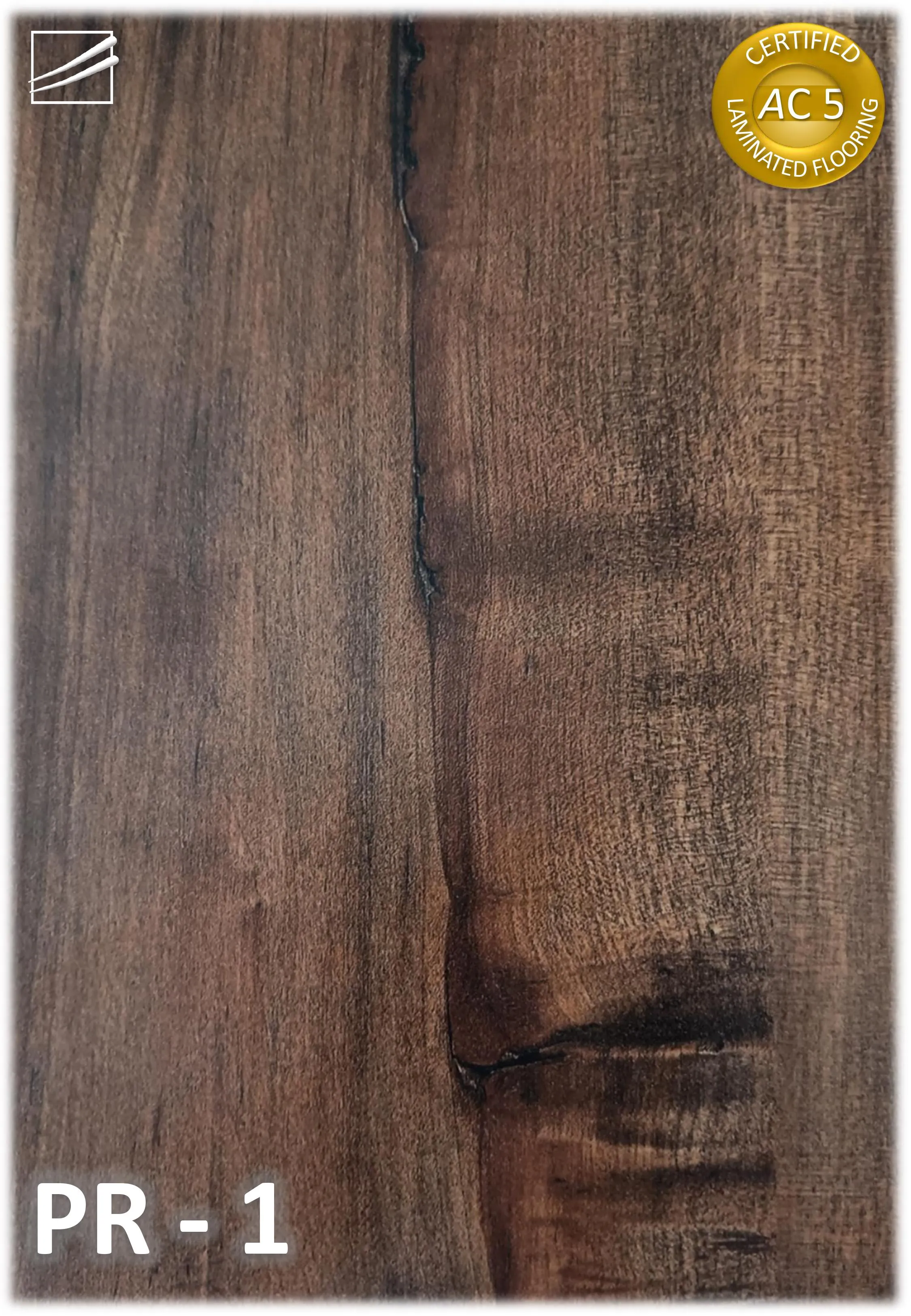
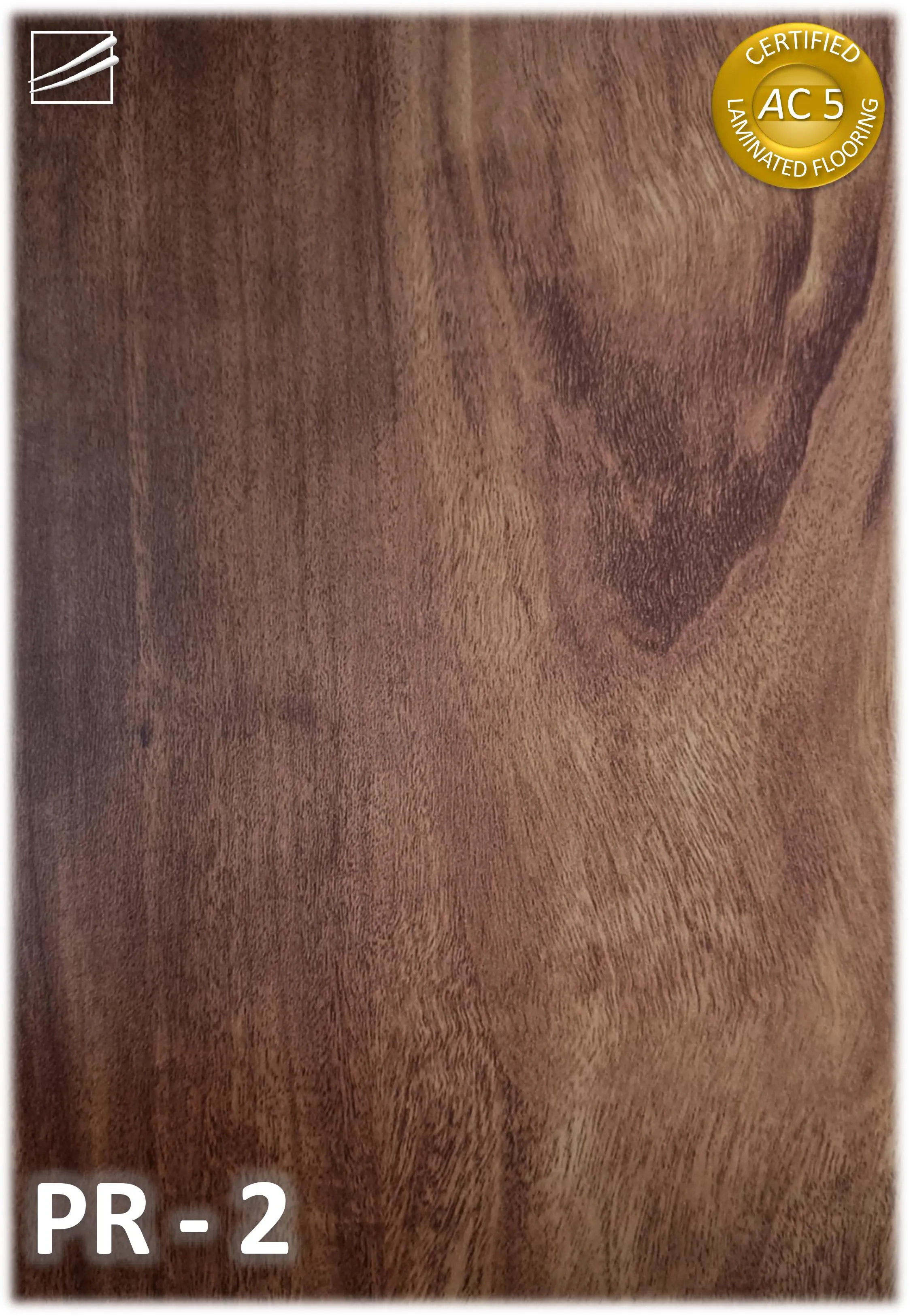
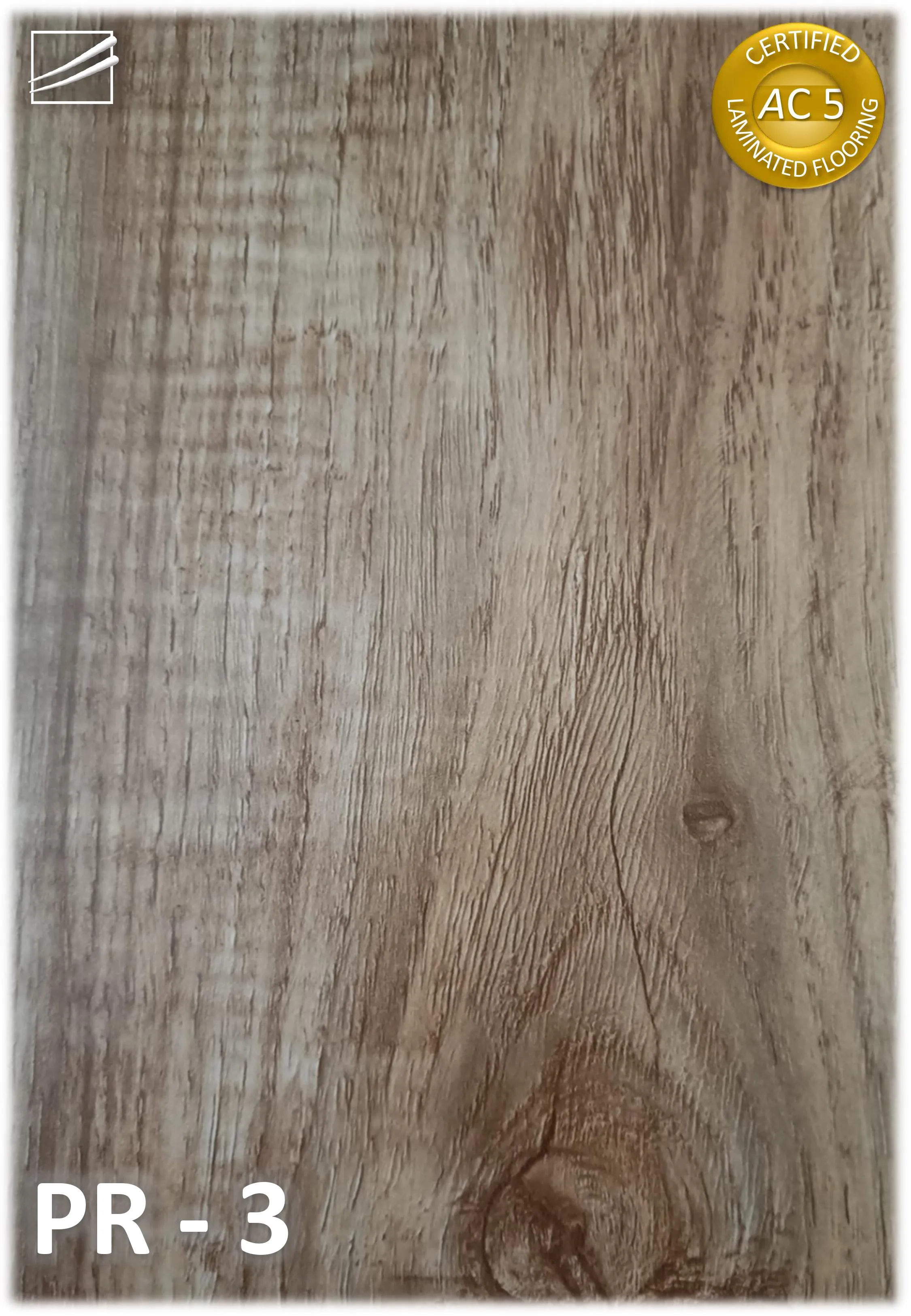
LVP is the most popular form of PVC flooring for residential applications. These planks are designed to replicate the appearance of real hardwood flooring with high-definition wood grain patterns and textures.
LVT mimics natural stone, ceramic tile, marble, or slate. These are square or rectangular pieces installed individually, offering greater design flexibility for creating custom patterns and transitions between spaces.
WPC flooring blends wood flour with PVC to create a waterproof core that feels softer underfoot than SPC, while offering better insulation, noise reduction, and warmth in colder environments.
Discover more designs of Ceiling panels and order now for your home decoration.
PVC planks stand out from other flooring options because they’re **100% moisture-proof**. Their solid plastic build blocks water on the surface, while the water-resistant core stops moisture from seeping through.
Modern PVC planks use high-definition printing to create realistic wood, stone, and tile looks, with the design sealed into the wear layer so it stays vibrant over time.
PVC planks require no waxing, polishing, sealing, or refinishing. A simple weekly damp mop with mild detergent and daily sweeping to remove dust are sufficient.
PVC planks—especially WPC options with thicker underlayment—help absorb sound, reducing footsteps and everyday noise to create a quieter, more comfortable home than traditional hard flooring.
Explore the most used and sell customized blinds for your homes and offices in every condition.
Discover best Sabyasachi Wallpapers for your home with extreme offers.
Begin by honestly evaluating foot traffic patterns in each room where you plan to install PVC planks.
Q1. Are PVC planks truly waterproof?
Yes, PVC planks are 100% waterproof. The material doesn't absorb water and resists moisture penetration at every layer.
Q2. Can PVC planks be installed in bathrooms and kitchens?
Absolutely. PVC planks are ideally suited for moisture-prone areas. Their waterproof nature, resistance to staining, and easy cleaning make them superior to hardwood or laminate in these spaces.
Q3. Do PVC planks require underlayment?
Many modern PVC planks come with pre-attached underlayment, eliminating the need for separate installation.
Q4. Will PVC planks fade in direct sunlight?
Quality PVC planks include UV protection in their wear layers to prevent fading. However, extended direct sunlight can cause gradual fading over many years, particularly in light-colored products.
Q5. Can PVC planks withstand underfloor heating?
Yes, many PVC planks are compatible with underfloor heating systems, though thermal conductivity varies by product.
Fast, free delivery & assembly
Ensuring your complete satisfaction
Day or night, our online support is here for you
Pay with Multiple Credit Cards
© The Panipat Handloom 2026
Managed by:
National Marketing Projects INC.