Contact Form
Showing 6 products
Showing 2 products
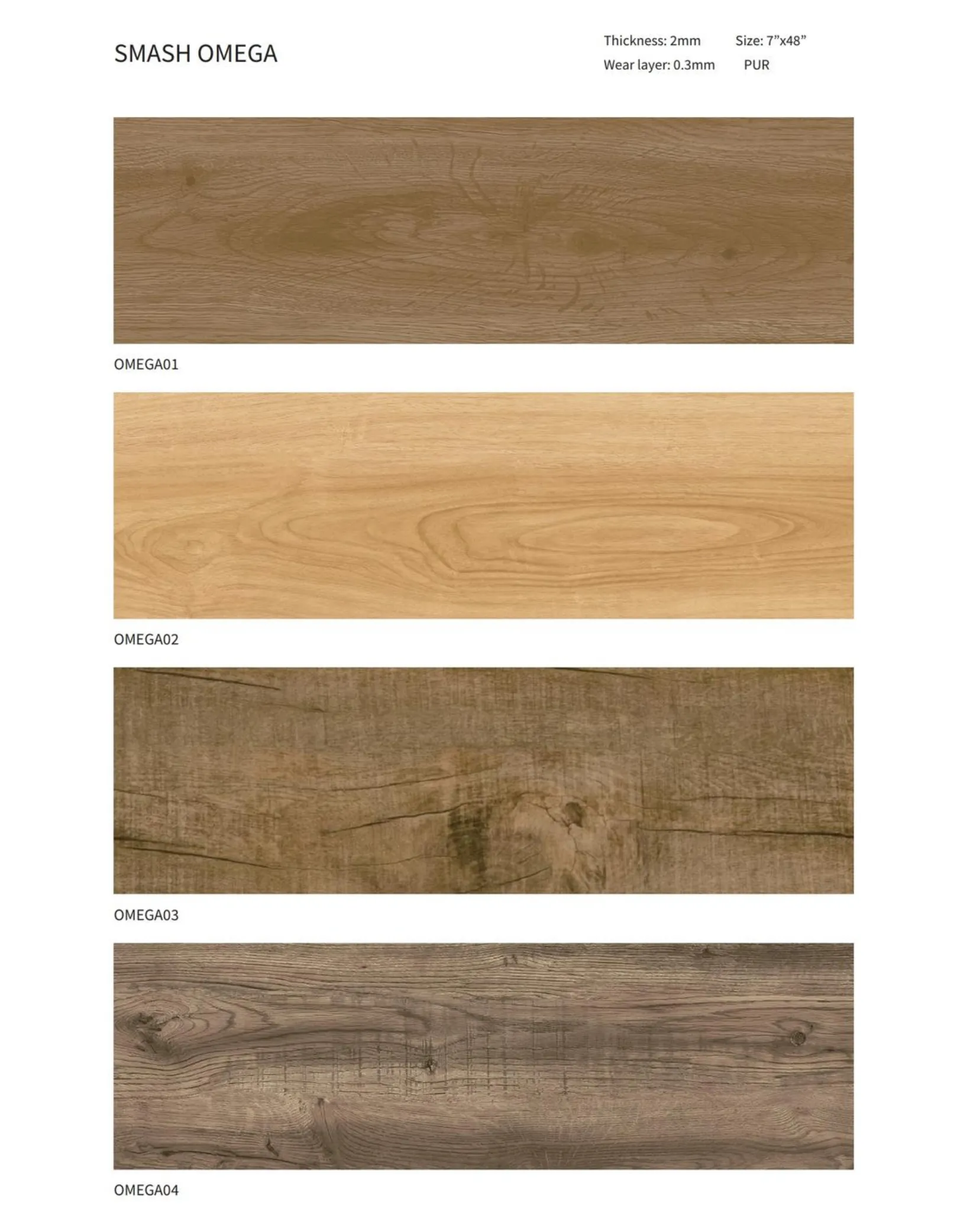
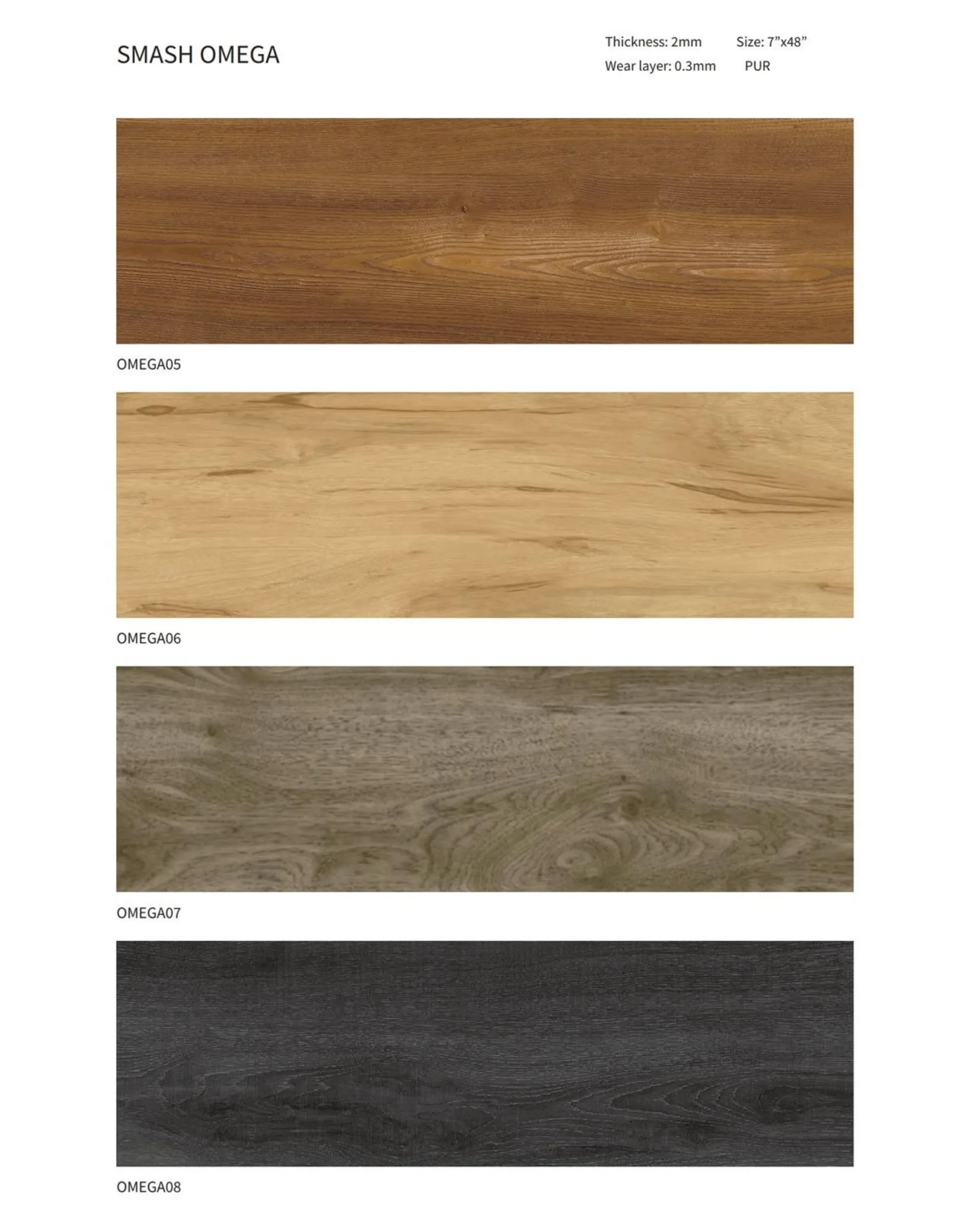
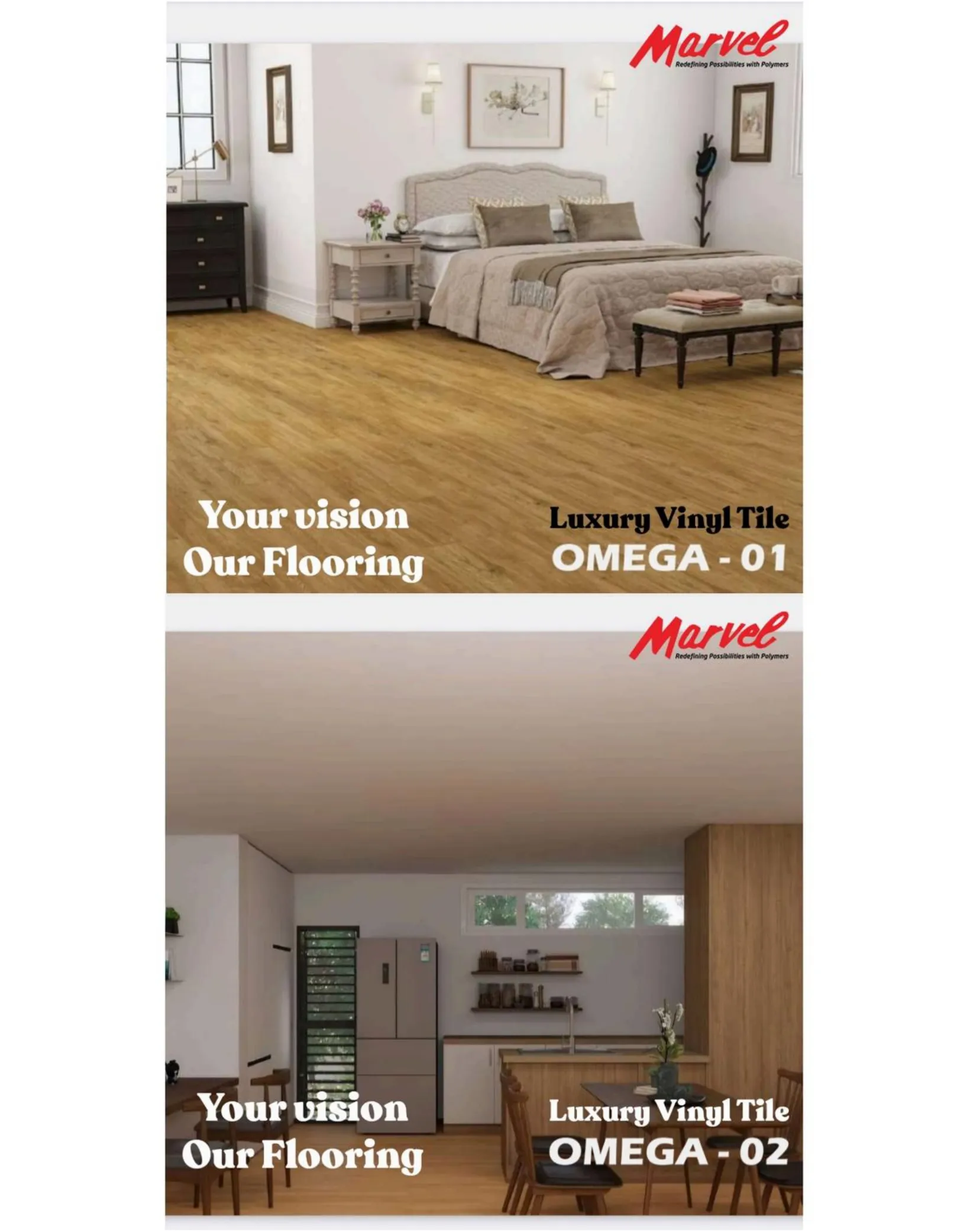
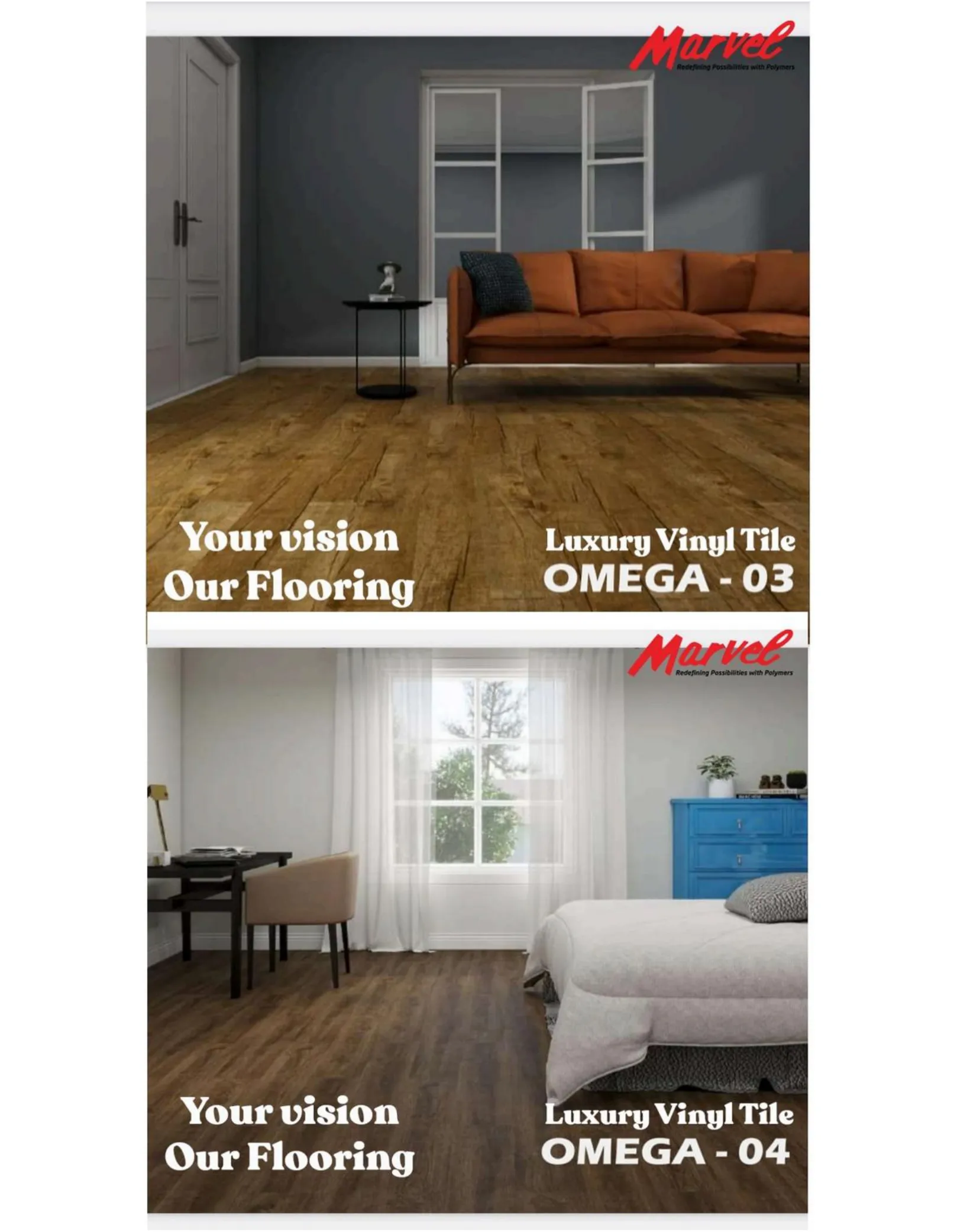
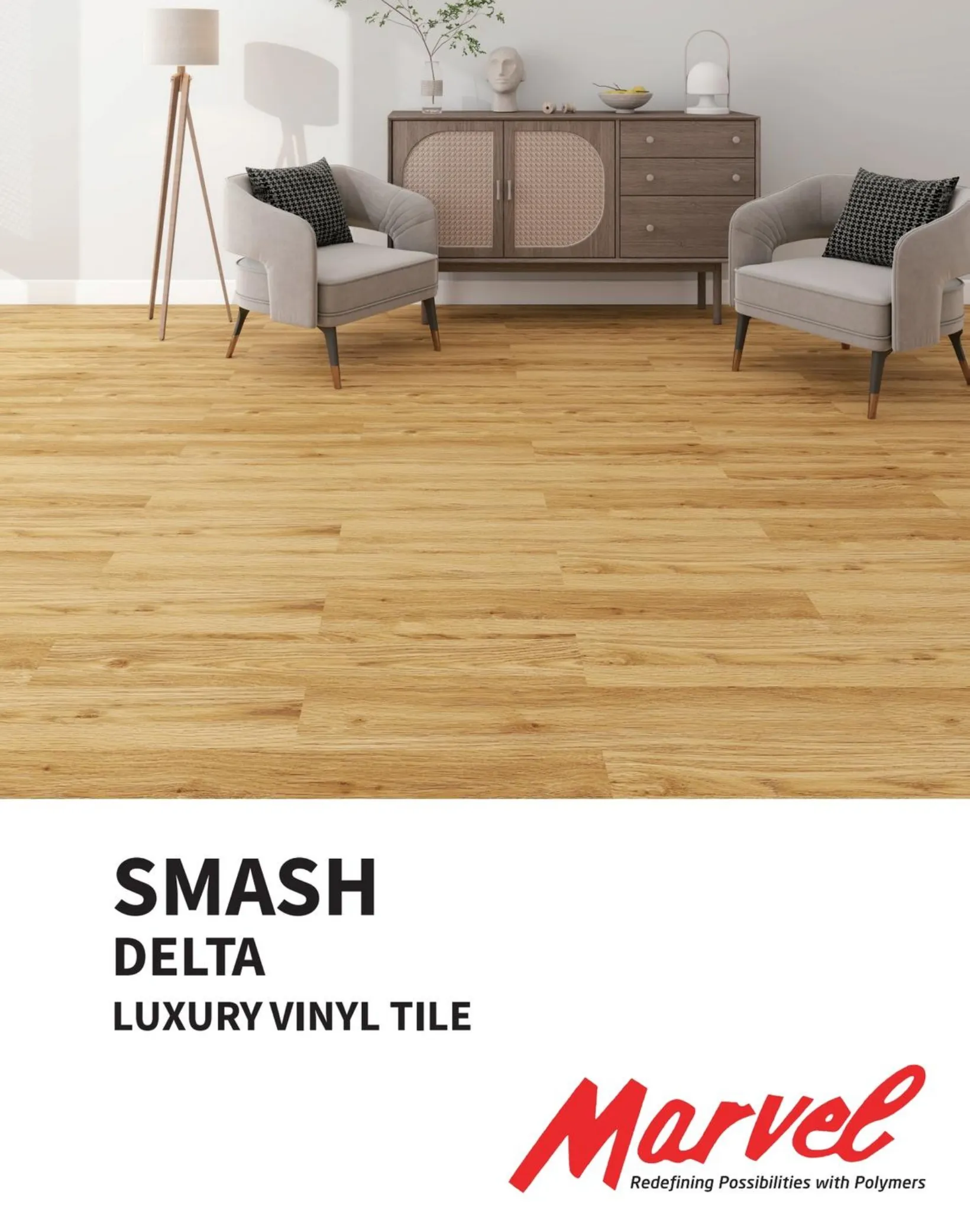
Vinyl plank flooring, often referred to as luxury vinyl plank (LVP) or luxury vinyl tile (LVT), represents a synthetic flooring material engineered to replicate the authentic appearance of natural hardwood, stone, or ceramic tile at a fraction of the cost. Unlike traditional sheet vinyl flooring or rubber sheet alternatives used in industrial applications, vinyl planks are manufactured as individual pieces that connect together through innovative locking systems, eliminating the need for adhesives in most installations.
LVT and LVP represent the foundational categories of luxury vinyl flooring, differentiated primarily by their shape and design aesthetics.
SPC flooring represents the evolution of rigid core vinyl technology. SPC flooring maintains 100% waterproof integrity, making it ideal for moisture-prone applications, including bathrooms, kitchens, basements, and laundry rooms.
WPC flooring incorporates wood powder or wood-like plasticizers combined with PVC, calcium carbonate, and a proprietary foaming agent that creates a lighter, more cushioned core structure.
Unlike laminate flooring which swells and deteriorates upon moisture exposure, properly manufactured vinyl planks with rigid cores provide 100% waterproof protection from top to bottom.
The protective wear layer technology incorporated in quality vinyl planks delivers remarkable resistance to scratches, scuffs, stains, and impact damage that would compromise traditional hardwood or laminate alternatives.
Vinyl plank flooring delivers significant cost advantages throughout its lifecycle compared to hardwood, engineered wood, and natural stone alternatives.
Bathroom applications represent one of vinyl planks' most compelling use cases due to the combination of constant moisture exposure, aesthetic expectations, and budget considerations. Successful bathroom vinyl plank installations require attention to specific moisture management details beyond standard room applications.
The innovative application of vinyl planks as wall cladding and accent wall treatments has gained significant popularity in residential and commercial interior design. Bathroom and kitchen applications benefit from vinyl planks' moisture resistance, enabling feature walls in areas where traditional wallpaper or paint would deteriorate.
Staircase vinyl plank installations dramatically transform outdated carpeted or damaged wood stairs while providing durable, easy-maintenance surfaces.
The waterproof, scratch-resistant characteristics make vinyl planks particularly suitable for high-traffic stairways experiencing constant foot traffic, pet claws, and tracked-in debris.
Q1. What types of vinyl plank flooring are available?
The main types are LVT/LVP (flexible luxury vinyl), SPC (stone plastic composite rigid core), and WPC (wood plastic composite rigid core), each offering different levels of comfort, density, and durability.
Q2. Are vinyl planks waterproof?
Yes, quality luxury vinyl plank (LVP) and rigid core SPC/WPC planks are fully waterproof, making them suitable for kitchens, bathrooms, laundry rooms, and even basements when installed correctly.
Q3. Can I use vinyl planks in the bathroom instead of tiles or rubber sheet?
Yes, vinyl planks are a popular alternative to ceramic tiles and rubber sheet flooring in bathrooms because they are waterproof, warmer underfoot, and easier to install and maintain.
Q4. Are vinyl planks suitable for walls or feature panels?
Vinyl planks can be installed on accent walls and feature panels using the correct adhesive and fixing method, creating a realistic timber or stone look with better moisture resistance than many wall finishes.
Q5. Can vinyl planks be installed on stairs?
Yes, vinyl planks can be used on stair treads and risers when combined with matching stair nosing profiles, providing a durable, slip-resistant finish that coordinates with adjoining floors.
Fast, free delivery & assembly
Ensuring your complete satisfaction
Day or night, our online support is here for you
Pay with Multiple Credit Cards
© The Panipat Handloom 2026
Managed by:
National Marketing Projects INC.